8 Hidden Museums in London | Secret & Quirky Museums
Affiliate Disclaimer: This post contains affiliate links. I may earn a commission if you make a purchase through them, at no extra cost to you.
8 Hidden Museums in London Worth Discovering
When most people think of museums in London, names like the British Museum, the Natural History Museum and the Victoria and Albert Museum usually come to mind. They deserve their reputation, but they’re only part of London’s remarkable museum scene.
Scattered across the city are smaller museums that many visitors never discover. Housed in elegant Georgian townhouses, Victorian artists’ homes, medieval churches and even former operating theatres, these hidden gems offer a completely different experience. They are quieter, more personal and often reveal stories that the larger museums simply can’t tell.
If you’ve already visited London’s famous museums, or you’re looking for something beyond the usual tourist trail, these lesser-known collections are well worth adding to your itinerary. Many are free or inexpensive to visit, and several can be easily combined with nearby neighbourhoods, markets or riverside walks for a rewarding day out.
In this guide, you’ll discover eight of London’s best hidden museums, from the extraordinary home of Sir John Soane to the atmospheric rooms of Dennis Severs’ House and the peaceful Garden Museum. Along the way, I’ll share local tips on what not to miss, nearby places to explore and how to make the most of each visit.
Local Tip: If you’re visiting London for the first time, start with our Best London Museums guide to explore the city’s world-famous collections. Then come back to this guide when you’re ready to discover the quieter museums that many visitors overlook.
Why These Museums Are Worth Seeking Out
London’s smaller museums offer a very different experience from the city’s major attractions. Instead of large crowds and busy galleries, you’ll often find historic houses, fascinating collections and stories that feel far more personal.
Many are tucked away in neighbourhoods worth exploring in their own right, making it easy to combine your visit with local cafés, markets or riverside walks. Several are also free or inexpensive, so they’re an excellent choice if you’ve already visited London’s famous museums and want to discover another side of the city
1. Sir John Soane’s Museum
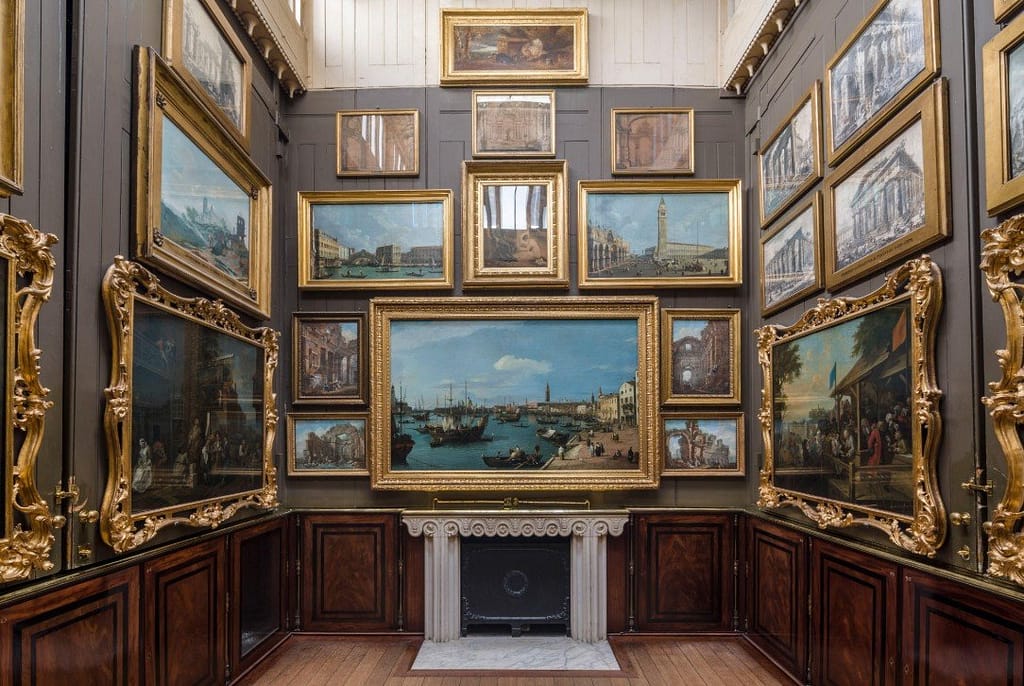
Tucked away on the edge of Lincoln’s Inn Fields, Sir John Soane’s Museum is one of London’s most extraordinary hidden treasures. Once the home of the celebrated architect Sir John Soane, the house has been preserved almost exactly as he left it in 1837. Walking through its narrow corridors and beautifully lit rooms feels less like visiting a museum and more like stepping into the private world of an eccentric collector.
Every room is filled with paintings, sculptures, ancient artefacts, architectural models and curiosities gathered throughout Soane’s lifetime. Rather than displaying objects behind glass in neat rows, the collection is layered into every available space, creating an atmosphere of discovery around every corner. It’s the sort of museum where you’ll notice something new each time you look.
One of the highlights is the ingenious Picture Room, where hinged walls unfold to reveal dozens of paintings in a surprisingly small space. Downstairs, the atmospheric crypt houses Soane’s collection of classical sculptures, including the impressive alabaster sarcophagus of the Egyptian Pharaoh Seti I, which caused a sensation when it arrived in London in the 1820s.
Although admission is free, visitor numbers are carefully managed, making the experience far calmer than London’s larger museums. I recommend arriving soon after opening on a weekday, when you can enjoy the house before it becomes busier. Photography is permitted in most areas, but the narrow rooms are best appreciated by taking your time rather than rushing through.
After your visit, stroll across Lincoln’s Inn Fields, London’s largest public square, or continue to nearby Bloomsbury, where independent bookshops, cafés and the British Museum are all within easy walking distance. It’s an easy area to spend a relaxed morning exploring.
Recommended Experience
Historic London Walking Tour
If you’re interested in London’s hidden history and architecture, a guided walking tour around Holborn and the City is an excellent way to discover fascinating stories and historic streets that many visitors miss.
2. Leighton House
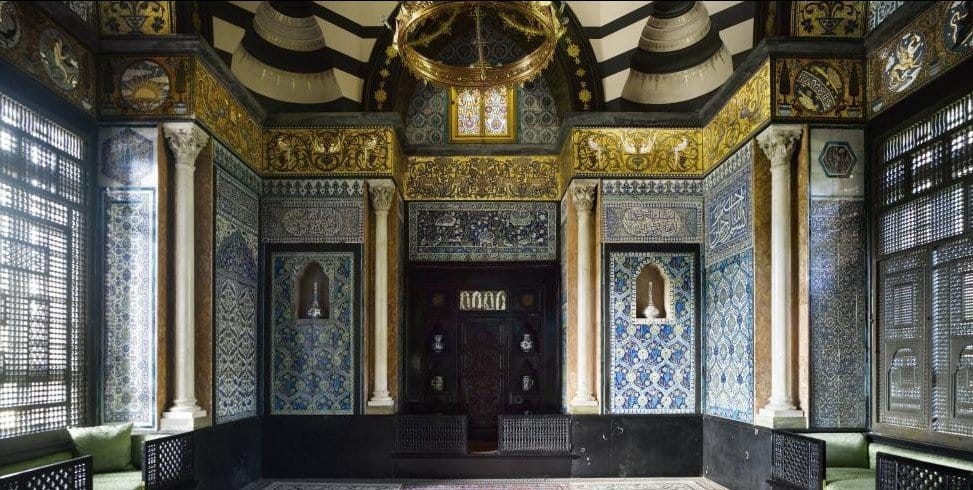
Hidden away on a quiet street near Holland Park, Leighton House is unlike any other museum in London. It was the home and studio of Victorian artist Frederic Leighton, whose travels across the Middle East inspired one of the city’s most breathtaking interiors. Even if you know little about Victorian art, the house itself is reason enough to visit.
The undisputed highlight is the spectacular Arab Hall. Decorated with shimmering Islamic tiles collected from Syria, Turkey and Egypt, the room glows beneath a golden dome while a central fountain creates a peaceful atmosphere. It’s easy to forget you’re still in west London. This remarkable space is often described as one of London’s most beautiful hidden interiors, yet many visitors never hear about it.
Beyond the Arab Hall, you’ll find Leighton’s light-filled studio, where many of his famous paintings were created, along with galleries showcasing Victorian art and sculpture. The rooms reveal not only his artistic talent but also the lifestyle of one of Britain’s most celebrated painters during the late nineteenth century.
I recommend allowing at least 90 minutes for your visit so you have time to appreciate both the architecture and the collections. Weekday mornings are usually quieter, making it easier to photograph the stunning interiors without large crowds. If you’re interested in architecture, look out for the intricate mosaics, carved woodwork and decorative details throughout the house.
Leighton House is just a short walk from Holland Park and neighbouring Kensington, making it easy to combine with a stroll through one of London’s prettiest parks. If you still have time, the Design Museum is nearby, while Kensington High Street offers plenty of cafés for lunch or afternoon tea.
Recommended Experience
Kensington Walking Tour
Explore elegant Kensington with a local guide, discovering its grand Victorian streets, beautiful gardens and fascinating history before or after your visit to Leighton House.
3. Garden Museum
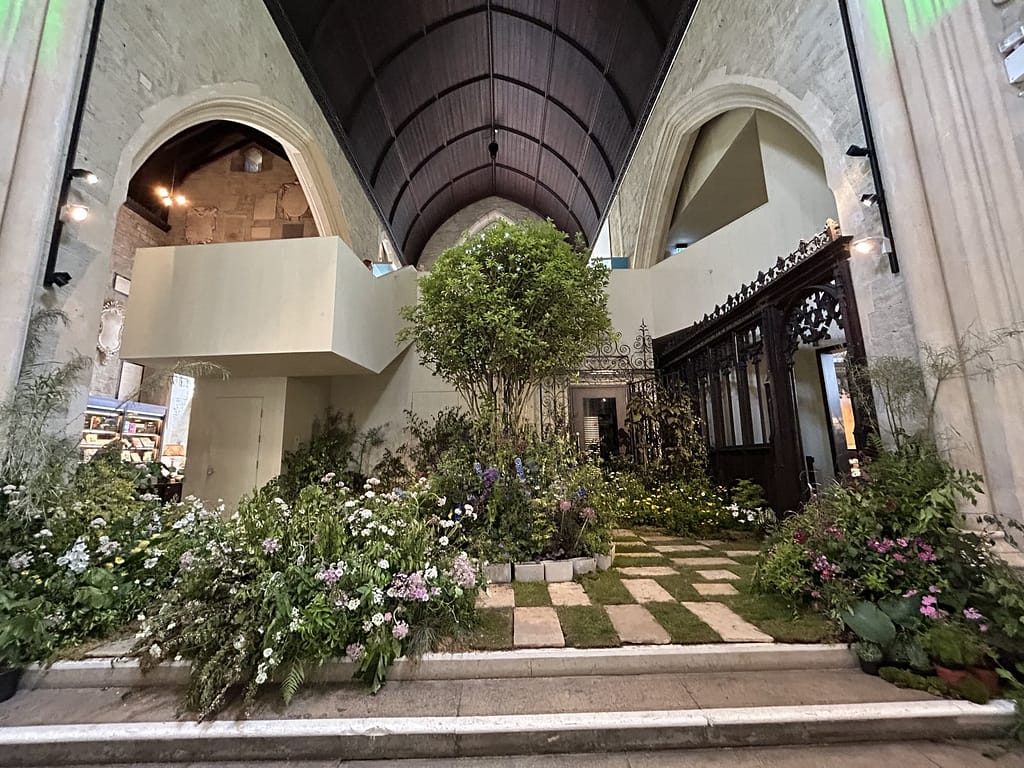
Tucked beside the River Thames opposite the Palace of Westminster, the Garden Museum celebrates Britain’s long love affair with gardens, plants and landscape design. Housed inside the beautifully restored medieval church of St Mary-at-Lambeth, it’s one of London’s most peaceful museums and a welcome escape from the busy South Bank.
Rather than simply displaying gardening tools and plants, the museum explores how gardens have shaped British life for centuries. You’ll discover stories of famous gardeners, beautifully designed exhibitions, historic seed catalogues and changing displays that celebrate everything from cottage gardens to contemporary landscape design. Even visitors who don’t consider themselves keen gardeners often leave inspired by the creativity and craftsmanship on display.
One of my favourite parts of the museum is the award-winning Garden Café, set within a peaceful courtyard surrounded by seasonal planting. It’s an excellent place to stop for lunch or coffee before continuing your day. If you’re feeling energetic, climb the museum’s medieval tower for panoramic views across the Thames, Westminster and the London skyline. It’s one of the lesser-known viewpoints in central London and well worth the extra ticket.
Although the museum sits just a few minutes from Westminster, it feels remarkably tranquil. I like combining a visit with a leisurely riverside walk towards the South Bank or crossing Lambeth Bridge into St James’s Park. Spring and early summer are particularly lovely, when the gardens are at their most colourful.
Recommended Experience
Thames River Cruise
One of the most enjoyable ways to explore this part of London is by river. A Thames cruise lets you admire famous landmarks from the water before or after visiting the Garden Museum, with several piers within easy walking distance.
4. Museum of the Home
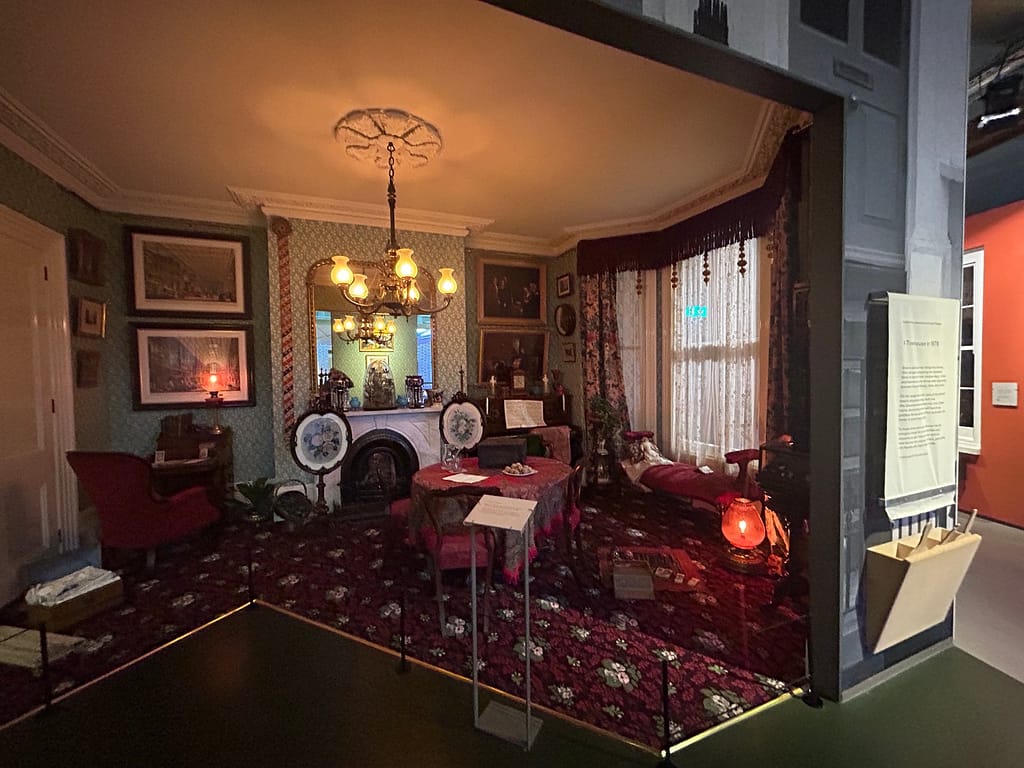
If you’ve ever wondered how Londoners lived through the centuries, the Museum of the Home offers a fascinating glimpse into everyday life. Set within beautifully restored eighteenth-century almshouses in Hoxton, this thoughtful museum explores how our homes have evolved over the last 400 years, from modest Tudor interiors to modern city apartments.
The museum’s recreated Period Rooms are the highlight. As you walk from room to room, you’ll see how furniture, decoration and daily life changed across different eras. It’s not just about beautiful interiors. The displays also reveal changing family life, social history and the influence of technology, making the experience surprisingly relatable. You may find yourself comparing your own home with those of previous generations.
Alongside the historic rooms, contemporary galleries explore what “home” means in today’s multicultural London. Personal stories, photographs and objects donated by Londoners add another layer to the experience, reminding visitors that every home tells its own story.
Outside, don’t miss the gardens, which have been recreated to reflect different periods of history. They’re peaceful, beautifully maintained and an ideal place to pause before continuing your day. Admission is free, making this one of London’s best-value museums.
The museum is perfectly placed for exploring East London. From here, it’s an easy walk to Columbia Road Flower Market on a Sunday, the independent shops and cafés of Shoreditch, or the food stalls at Spitalfields Market. If you’re visiting at the weekend, I’d recommend combining the museum with one of these neighbourhoods to experience a different side of London away from the city’s busiest tourist areas.
Recommended Experience
East London Food & Street Art Tour
Discover the character of Shoreditch and Spitalfields with a guided walking tour that combines vibrant street art, local food and fascinating stories about one of London’s most creative neighbourhoods.
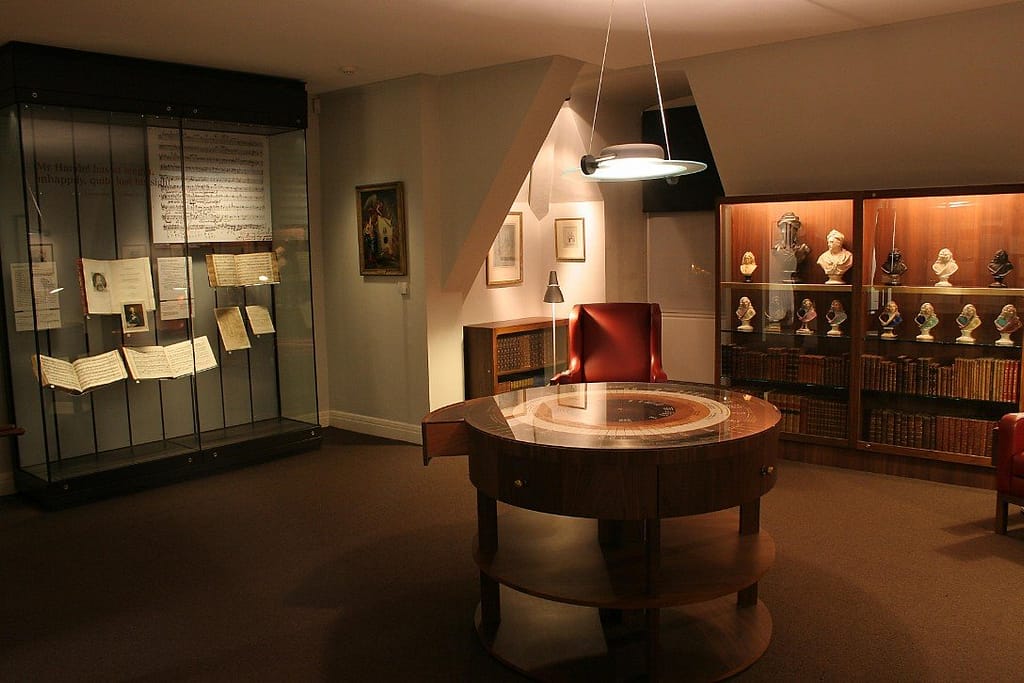
5. The Foundling Museum
Just a short walk from the British Museum, the Foundling Museum tells one of London’s most moving and often overlooked stories. It explores the history of the Foundling Hospital, established in 1739 as Britain’s first home for children whose parents could no longer care for them. Rather than focusing solely on objects, the museum shares powerful personal stories that bring eighteenth-century London to life.
One of the most touching exhibits is the collection of tokens left by mothers with their children. These tiny keepsakes, including ribbons, coins, embroidered fabric and handwritten notes, were left in the hope that one day they might help reunite families. Seeing these deeply personal objects makes the human stories behind the museum unforgettable.
The museum also celebrates the remarkable people who supported the Foundling Hospital. Composer George Frideric Handel performed fundraising concerts and later donated the manuscript of Messiah, while artist William Hogarth helped establish Britain’s first public art gallery within the hospital. Their contributions helped transform the charity into one of London’s most significant cultural institutions.
Although the subject matter is emotional, the museum is beautifully presented and never feels overwhelming. Allow around 90 minutes to explore the galleries, then take a stroll around nearby Brunswick Square or continue to the cafés and independent bookshops of Bloomsbury. It’s an ideal stop if you’re looking for a quieter cultural experience away from the crowds at the British Museum.
If you’re spending a few days in London, our 5 Days in London: A Slow Travel Itinerary includes Bloomsbury as one of the city’s most rewarding neighbourhoods for museums, bookshops and leafy garden squares.
Recommended Experience
British Museum Guided Tour
Since you’re already in Bloomsbury, consider pairing your visit with a guided tour of the nearby British Museum. An expert guide can help you discover the highlights and fascinating stories behind one of the world’s greatest collections.
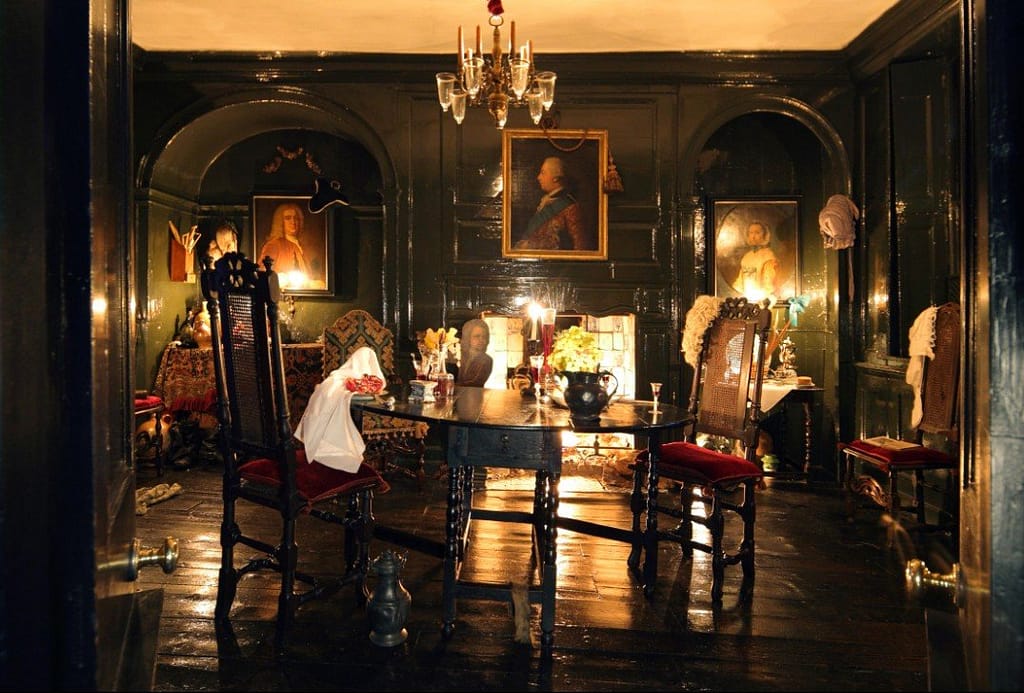
6. Dennis Severs’ House
If you’re looking for one of London’s most unusual museum experiences, Dennis Severs’ House is unlike anywhere else in the city. Hidden behind an unassuming Georgian townhouse in Spitalfields, this isn’t a traditional museum with information panels and display cases. Instead, you’re invited to step into the imagined home of a Huguenot silk-weaving family and experience their lives as though they’ve just left the room.
Each floor represents a different period between the eighteenth and early twentieth centuries. Tables are laid for dinner, fires crackle in the hearth, half-finished meals sit waiting, and the scent of beeswax, spices and wood smoke lingers in the air. Every room is filled with carefully chosen objects that create the illusion of a family going about their daily lives.
One of the things that makes Dennis Severs’ House so memorable is its atmosphere. During the museum’s famous Silent Visits, visitors are asked not to speak as they move through the house. Without conversation, you begin to notice the creaking floorboards, distant church bells and tiny details that might otherwise be missed. It feels less like visiting a museum and more like stepping into a living story.
As visits are limited to small groups, it’s well worth booking your tickets in advance, particularly at weekends. Afterwards, you’re perfectly placed to explore Spitalfields Market, browse the independent boutiques around Brick Lane, or enjoy coffee and pastries at one of the many cafés tucked into the surrounding streets.
While you’re in the area, don’t miss our guide to London’s Best Markets, where you’ll find Spitalfields Market and nearby Brick Lane, two of East London’s most vibrant places to eat, shop and explore.
Local Tip
If possible, book one of the evening candlelit visits. The house feels even more atmospheric after dark, and the flickering candlelight makes the experience feel wonderfully authentic. It’s one of those London attractions that visitors often talk about long after they’ve returned home.
Recommended Experience
East London & Jack the Ripper Walking Tour
Discover the fascinating history of Spitalfields and Whitechapel on a guided walking tour that explores Victorian London, local history and one of the city’s most intriguing neighbourhoods.
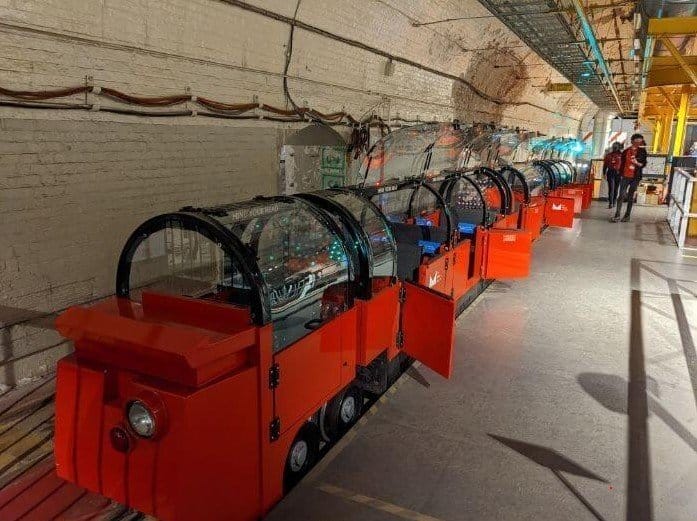
7. The Postal Museum
The Postal Museum tells the story of Britain’s postal service through interactive exhibits, historic vehicles and one unforgettable experience: Mail Rail. This miniature underground railway once carried millions of letters beneath London’s streets and now takes visitors on a fascinating ride through the original tunnels.
The museum brings five centuries of postal history to life, from horse-drawn mail coaches to Victorian postboxes and wartime deliveries. Even if you’re not especially interested in postal history, the exhibits are engaging and full of surprising stories about how communication shaped everyday life.
Mail Rail is the highlight. The twenty-minute ride travels through the original tunnels beneath Clerkenwell, accompanied by projections and sound effects that recreate how the railway operated for more than 75 years. It’s one of London’s most unusual underground experiences and something you won’t find anywhere else in the city.
Allow around two hours for your visit. Afterwards, explore nearby Exmouth Market for lunch or continue to Bloomsbury and King’s Cross, both within easy reach.
Recommended Experience
London Pass
If you’re planning to visit several attractions during your stay, a London Pass can offer excellent value while including many of the city’s top sights.
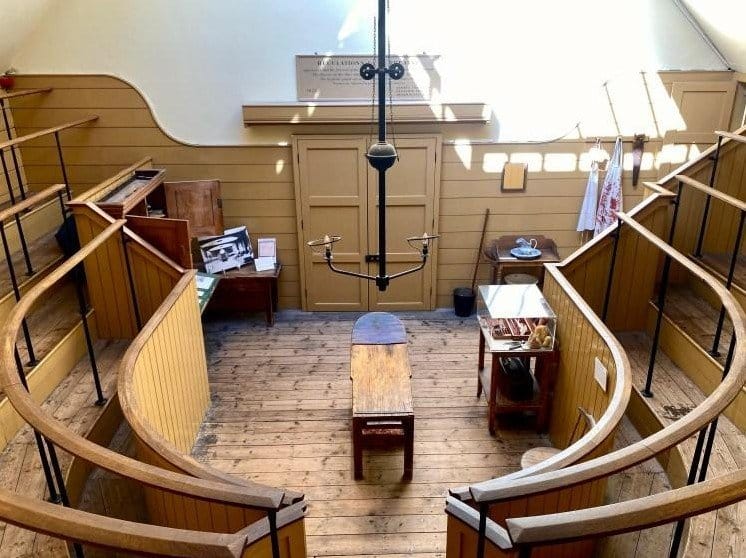
8. Old Operating Theatre Museum and Herb Garret
Hidden in the attic of an eighteenth-century church near London Bridge, the Old Operating Theatre Museum is one of the city’s most fascinating hidden gems. Reached by a narrow spiral staircase, it houses Europe’s oldest surviving operating theatre and offers a remarkable glimpse into medicine before the discovery of anaesthetics and antiseptics.
The timber operating theatre has been carefully preserved, complete with wooden benches where students once watched surgeons perform operations. Nearby, the Herb Garret displays traditional medicinal herbs, surgical instruments and fascinating exhibits explaining how hospitals treated patients during the Georgian and Victorian periods.
Although the subject can sound daunting, the museum is surprisingly engaging and full of memorable stories. Guided talks by knowledgeable staff bring the exhibits to life and help visitors understand just how dramatically medicine has changed over the last two centuries.
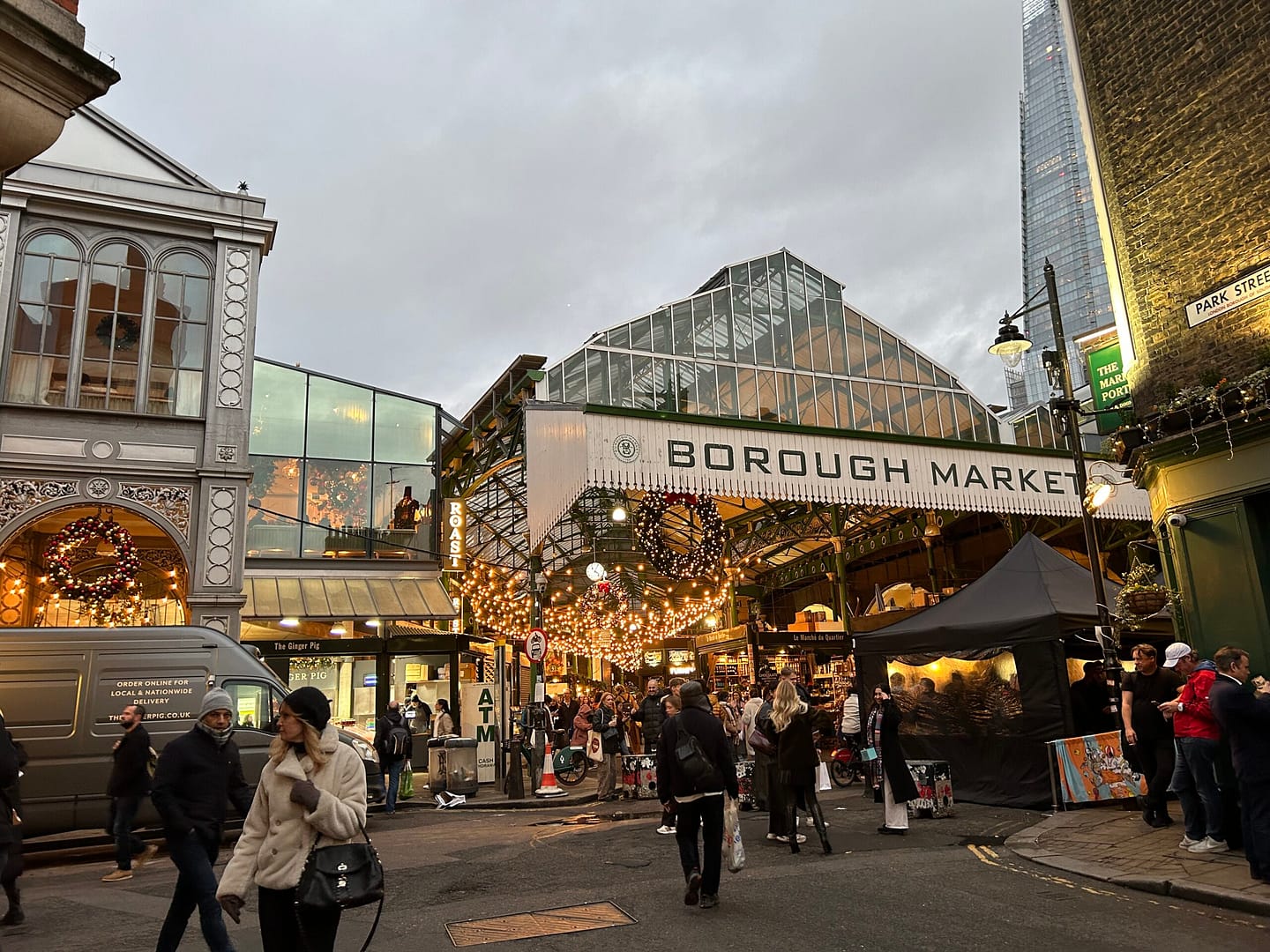
Its location makes it easy to combine with Borough Market, Southwark Cathedral and a walk along the Thames. Together they make an excellent half-day itinerary packed with history, food and local character.
Recommended Experience
Borough Market Food Tour
After exploring the museum, discover one of London’s best food destinations with a guided tasting tour through Borough Market.
Which Hidden Museum Should You Choose?
Not every museum suits every traveller. If you’re short on time, choose the one that best matches your interests rather than trying to visit them all. Each offers a completely different experience, from magnificent interiors and art to fascinating stories of everyday London life.
| If you enjoy… | Don’t miss… |
|---|---|
| Historic houses and architecture | Sir John Soane’s Museum |
| Beautiful interiors and art | Leighton House |
| Gardens, cafés and peaceful surroundings | Garden Museum |
| London’s social history | Museum of the Home |
| Moving personal stories | The Foundling Museum |
| Immersive historical experiences | Dennis Severs’ House |
| Interactive exhibits | The Postal Museum |
| Medical history and unusual museums | Old Operating Theatre Museum |
If it’s your first visit to London, I’d recommend starting with Sir John Soane’s Museum or Leighton House, as both showcase extraordinary interiors that many visitors never discover.
If you’ve already explored London’s famous attractions, Dennis Severs’ House, The Garden Museum and The Old Operating Theatre Museum offer memorable experiences that feel completely different from the city’s larger museums.
H2: Planning Your Hidden Museum Day
One of the best things about London’s hidden museums is that they’re easy to combine with nearby neighbourhoods. Rather than rushing across the city to see several in one day, choose one or two museums in the same area and leave time to explore the local cafés, parks and markets that make each neighbourhood unique.
Bloomsbury & Holborn
Start at Sir John Soane’s Museum, then stroll through Lincoln’s Inn Fields before visiting the Foundling Museum. If time allows, finish with lunch on Lamb’s Conduit Street or a visit to the nearby British Museum.
Kensington
Pair Leighton House with a walk through Holland Park, then continue to Kensington High Street or the Design Museum. It’s an ideal day if you enjoy art, architecture and elegant London streets.
East London
Visit the Museum of the Home, browse Spitalfields Market, then experience the candlelit rooms of Dennis Severs’ House. If you’re there on a Sunday, don’t miss nearby Columbia Road Flower Market.
South Bank
Combine the Garden Museum with the Old Operating Theatre Museum, followed by lunch at Borough Market and a leisurely walk along the Thames towards Tower Bridge.
If this is your first visit to London, our How to Spend 3 Days in London guide helps you combine the city’s iconic sights with a few lesser-known discoveries without feeling rushed.
FAQ
Are London’s hidden museums free to visit?
Some are free, including Sir John Soane’s Museum and the Museum of the Home, while others charge a small admission fee. It’s always worth checking the museum’s website before your visit, as exhibitions and opening hours can vary.
Which hidden museum is best for first-time visitors?
Sir John Soane’s Museum is an excellent choice for first-time visitors. Its remarkable collection, beautiful interiors and free admission make it one of London’s most rewarding hidden attractions.
Which hidden museum is best for art lovers?
Leighton House is a must-visit for anyone interested in art, architecture or design. The spectacular Arab Hall and the artist’s studio are among the most beautiful interiors in London.
Can I visit more than one hidden museum in a day?
Yes. Many of these museums are located close to one another. For example, Sir John Soane’s Museum and the Foundling Museum can be combined with a walk around Bloomsbury, while the Garden Museum and the Old Operating Theatre pair well with the South Bank and Borough Market.
What is the most unusual museum in London?
Dennis Severs’ House is often considered one of London’s most unusual museums. Instead of traditional displays, visitors walk through candlelit rooms that recreate the lives of an imagined eighteenth-century family, creating a wonderfully immersive experience.
Plan Your London Trip
These trusted services can help you organize your visit to London and travel around the UK more easily.
Hotels in London
Compare locations and prices to find the best place to stay in central London.
Airport Transfers
Pre-book a reliable airport pickup to your hotel and avoid the stress of navigating transport after a long flight.
Stay Connected with an eSIM
Use mobile data instantly when you arrive in the UK with a travel eSIM.
Train Travel in the UK
Planning day trips from London? Compare routes and book train tickets across Britain.
Travel Insurance
Protect your trip against delays, cancellations or medical emergencies.
Keep Exploring London Like a Local
If you’re planning your visit, these guides will help you make the most of your time in London:
Continue Your London Journey
Whether you’re still planning or counting down to your trip, we’re here to help every step of the way.
Join our London Adventures Club
Ask questions, discover hidden gems and connect with fellow travellers planning their own London adventure.
Subscribe to our Newsletter
Receive practical travel tips, new blog guides and your FREE Essential London Transportation Guide.
Looking for Personalised Trip Planning?
Save hours of research with a customised London itinerary designed around your interests, pace and travel style.
Explore our Itinerary Planning Service
Still Have Questions?
If you’d like advice before you travel, we’d be delighted to help.
Email us at info@londonadventures.co.uk